
How to Squat: Form, Muscles, and Progression
Quick answer: To squat, stand with feet shoulder-width apart, brace your core, and sit down and back by bending your hips and knees together until your thighs reach at least parallel, then drive up through your whole foot. The squat mainly trains your quads and glutes, and you progress it by adding small amounts of weight over time.
The squat is the lift everyone tells you to do and nobody quite explains. You watch three people at the rack and see three different depths, stances, and bar positions.
So you either avoid it or guess. Both cost you the single most productive lower-body exercise there is.
What muscles does the squat work?
The squat is primarily a quad and glute movement, with your hamstrings, core, and lower back working to keep you stable. It is a true compound lift, which is why it builds more total muscle than any machine that isolates one leg muscle at a time.
EMG research consistently shows the quadriceps (the muscles on the front of your thigh) and the gluteus maximus as the main movers, with activation shifting based on depth and stance. A PLOS One study on lower-limb muscle activity found the squat recruits the gluteus maximus, gluteus medius, and quadriceps heavily through the movement.
Depth changes the mix. Squatting deeper, past parallel, increases how hard your glutes have to work. Stopping short keeps most of the load on your quads and shortchanges the muscle most people actually want to build.
What is proper squat form, step by step?
Good squat form is less about perfection and more about a few non-negotiables: a braced core, knees tracking over your toes, and enough depth to challenge the muscle.
Here is the movement broken down:
- Set your stance. Feet about shoulder-width apart, toes turned out slightly (roughly 15 to 30 degrees).
- Brace. Take a breath into your belly and tighten your core as if bracing for a light punch. Hold it.
- Sit down and back. Break at the hips and knees at the same time, lowering as if aiming for a low chair behind you.
- Hit depth. Go until your hip crease is at least level with the top of your knee, thighs parallel or lower.
- Drive up. Push through your whole foot, not just your heels or toes, and stand tall. Exhale near the top.
Keep your knees moving out, not caving in. Knees drifting inward is the most common fault, and it usually means your glutes are asleep or the weight is too heavy.
Bodyweight, goblet, or barbell?
Start with the version you can control. A bodyweight squat teaches the pattern. A goblet squat, holding a single dumbbell at your chest, adds load while keeping your torso upright and honest. A barbell back squat lets you load the most weight once your form is solid.
There is no rush to the barbell. Most beginners are better served earning depth and control with goblet squats first.
How deep should you squat?
Aim for at least parallel, where your thighs are level with the floor, as long as you can keep a neutral spine. Parallel is the point where the glutes start contributing meaningfully, and it is the standard most lifters and coaches use.
Deeper is fine, and often better, if your ankles and hips allow it without your lower back rounding. That round at the bottom, the "butt wink," is your cue that you have run out of mobility and should stop just above it for now.
Half-squats let you pile on weight while doing less for your muscles. Depth, not the number on the bar, is what makes the lift work.
What are the most common squat mistakes?
Most squat problems trace back to three things: too much weight, too little depth, and a soft core. Fix those and the rest usually sorts itself out.
- Knees caving in. Push them out to track over your toes. Lighten the load if you cannot.
- Heels lifting off the floor. Often an ankle mobility issue. Try a slightly wider stance or elevate your heels a little.
- Rounding the lower back. You are going too deep for your current mobility or losing your brace. Reset and stop higher.
- Chasing weight over depth. A clean parallel squat with less weight beats a heavy quarter squat every time.
How do you progress your squat?
Progress by adding a small amount of weight once you can hit all your reps with clean depth. This is progressive overload, and the squat responds to it as well as any lift in the gym.
A practical beginner approach: do 3 sets of 8 to 10 squats. When all your sets hit the top of that range with good form, add about 5 to 10 pounds next session. Small, steady jumps beat big ones that wreck your technique.
Track your estimated max instead of testing it. Maxing out a squat is risky and rarely necessary. Feed a hard set into the one rep max calculator to see your estimated 1RM climb over the weeks without ever grinding a true max. For the full method, see how to track progressive overload without complex spreadsheets.
How do you know when to add weight?
You know because you wrote down last time. The squat progresses in small steps, and small steps are invisible without a record.
Here is how the ways to keep that record compare:
| Physical notebook | Notes app | Traditional gym app | Gym Note Plus | |
|---|---|---|---|---|
| Logging speed | Fast | Fast | Slow, many taps | Fast, plain text |
| Data visualization | None | None | Charts | Automatic charts |
| Flexibility | Total | Total | Rigid fields | Total, free text |
| Shows your squat trend | Manual flip-back | Manual scroll | Yes | Yes, automatic |
| Estimated 1RM tracking | Manual math | Manual math | Sometimes | Automatic |
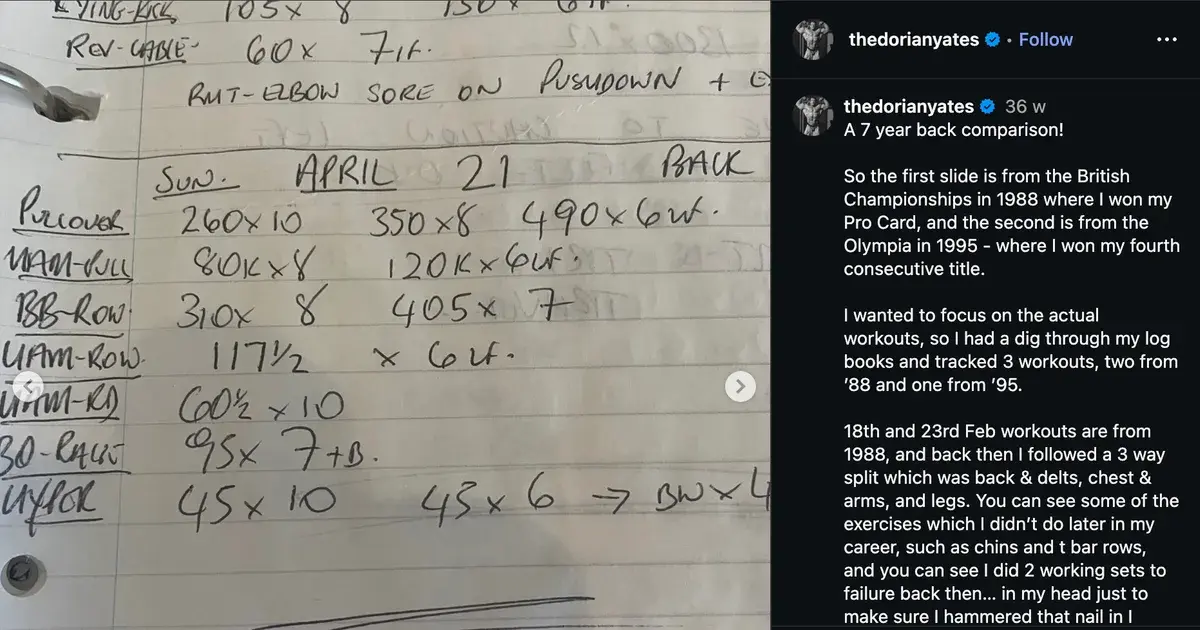
Paper and a notes app capture the number but never draw the line. A rigid gym app draws the line but slows every set. The setup you want logs "squat 135 3x8" as fast as a text and still shows the climb.
A simple squat plan for your first month
- Grease the pattern. Do 3 sets of 10 bodyweight squats a few times this week, focusing only on depth and knees tracking out.
- Add load with a goblet squat. Hold one dumbbell at your chest for 3 sets of 8 to 10, staying upright and hitting parallel.
- Log every session. Write the exercise, weight, and reps the moment you finish: "goblet squat 40 lb 3x10."
- Add weight when clean. Once all sets hit the top of the range easily, bump the load 5 to 10 pounds.
- Review weekly. Confirm your working weight or reps went up. If it stalled twice, check depth, rest, and recovery before adding more.
Keep logging the way you already do
If you already scribble your squats into your phone's notes or a notebook, you have everything a progression needs. The missing piece is seeing the trend, which is exactly the part paper and Notes cannot do for you.
Gym Note Plus fills that gap. You log in plain text, the fast way you already type, and it turns those entries into charts, per-exercise history, and estimated 1RM trends automatically. Your squat becomes a line that clearly goes up, not a pile of numbers you have to decode.
- Log at notes-app speed. No menus, no set-by-set tapping.
- Watch your squat climb. Automatic charts and 1RM estimates surface progress you would otherwise miss.
- Keep your history searchable. Every squat session stays one tap away.
New to the whole tracking habit? Start with how to write down your workouts. If your squat sessions begin cold, how to warm up before lifting weights covers the ramp-up sets that belong before your first working set.
Depth and consistency build squats. The weight follows the reps you actually log, so write down every set and let the number climb on its own.
Frequently Asked Questions
What muscles does the squat work?
The squat primarily works the quadriceps (front of the thighs) and the gluteus maximus, with the hamstrings, adductors, core, and lower back working to stabilize the movement. It is a compound exercise, meaning it trains multiple large muscle groups at once, which makes it one of the most efficient lower-body exercises for building both strength and muscle.
How deep should you squat?
You should squat to at least parallel, where the thighs are level with the floor and the hip crease reaches the top of the knee, as long as you can keep a neutral spine. Parallel is the depth where the glutes contribute meaningfully. Going deeper is beneficial if your mobility allows it without your lower back rounding at the bottom.
Is it OK to squat every day?
Squatting every day is possible for experienced lifters using light to moderate loads, but most people should not. Heavy squats create significant fatigue that muscles and the nervous system need time to recover from. For beginners and most lifters, squatting 2 to 3 times per week with rest days between sessions produces better results and lower injury risk.
Why do my knees cave in when I squat?
Knees caving inward during a squat usually means the weight is too heavy, your glutes are not firing, or your stance and foot position need adjusting. Fix it by consciously pushing your knees out to track over your toes, reducing the load until you can control it, and strengthening your glutes. Filming a set from the front makes the fault easy to spot.
How much should a beginner squat?
A beginner should squat a weight that lets them complete 3 sets of 8 to 10 reps with clean form and full depth, which often starts with just bodyweight or a light goblet squat. The exact number matters less than technique. Add roughly 5 to 10 pounds once all sets feel controlled, and let the weight rise gradually over weeks.
Final Takeaways
- The squat is a quad and glute lift. Depth is what turns on the glutes, so earn parallel before adding weight.
- Nail the non-negotiables: braced core, knees tracking out, and full depth with a neutral spine.
- Start with bodyweight or goblet squats and move to the barbell only once your form holds.
- Progress in small jumps of 5 to 10 pounds when all your sets hit the top of the rep range cleanly.
- Log every session. Small squat progress is invisible unless you write it down and watch the trend.

Josh Ibbotson
Josh is the creator of Gym Note Plus, building tools that make workout tracking as simple as taking notes.
Ready to try it out?
Download Gym Note Plus and start tracking your workouts the way you want.
Download on App Store