
What Is Linear Progression?
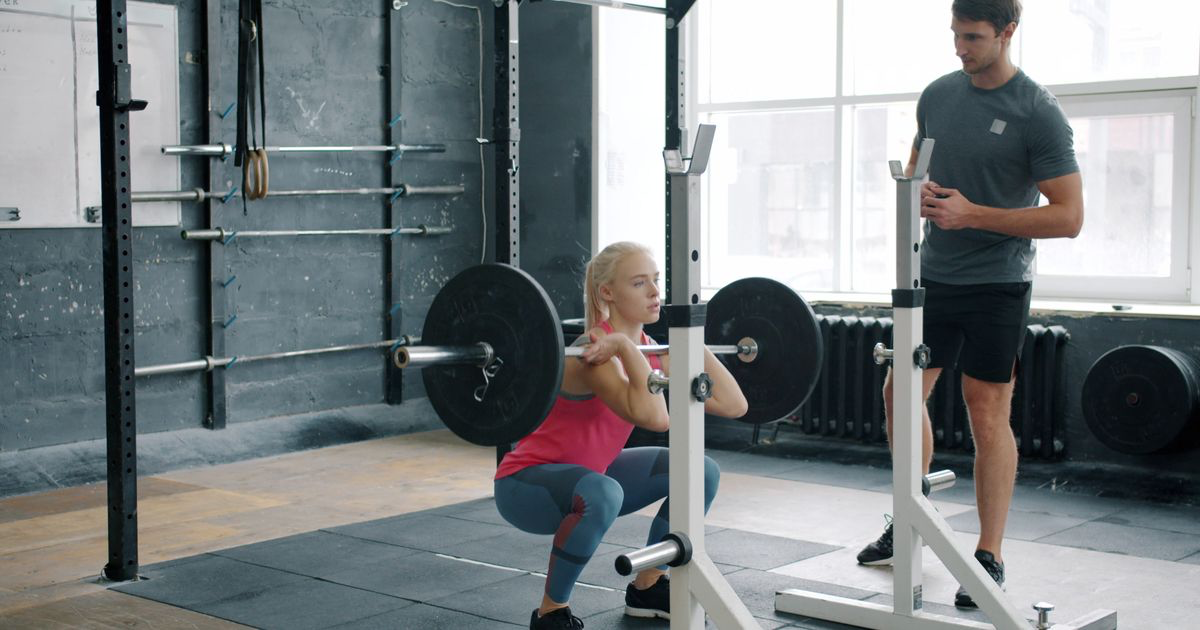
Quick answer: Linear progression means adding a small, fixed amount of weight to a lift every single session, session after session, while keeping the same sets and reps. A beginner might add 5 pounds to their squat each workout. It works because new lifters adapt fast, and it is the simplest way to guarantee steady strength gains until you stall.
You keep hearing that you should "run a linear progression," but nobody explains what that actually means or when to stop.
So you either add weight randomly or never add it at all. Both leave gains on the table.
What does linear progression mean?
Linear progression is the simplest form of progressive overload: you add a set amount of weight to the bar every session, in a straight line, for as long as your body keeps up. Same reps, same sets, just a little heavier each time.
Picture your first month of squats. Week one you do 3 sets of 5 at 95 pounds. Next session, 100. Then 105, 110, 115. The load climbs by a fixed step every workout, and your strength climbs with it.
The word "linear" describes the shape of the graph. Plot the weight over time and it is a straight, rising line, not a curve or a plateau.
Why does linear progression work so well for beginners?
Because new lifters adapt faster than anyone else, so they can recover from and beat each session quickly. Early strength gains come largely from your nervous system learning the movement, before much muscle is even built.
In a study comparing strength development in trained and untrained men, previously untrained lifters gained strength faster than those who already had a training history, over the same 21-week program. Beginners have the most room to grow, and linear progression captures it.
That fast recovery is the key. A beginner can squat on Monday, be fully recovered by Wednesday, and add weight. An advanced lifter cannot, which is exactly why linear progression eventually stops working.
Most beginner programs are linear progression with the exercises already filled in. The 5x5 workout program is the best known example: two full-body days, five lifts, and a fixed jump every session you complete.
How do you run a linear progression?
Pick a lift, pick a starting weight you can handle with clean form, and add the smallest sensible jump every session. The whole method fits on a sticky note.
Choose your jump size
The jump depends on the lift and how much muscle it uses:
- Big lower-body lifts (squat, deadlift): add 5 to 10 pounds per session.
- Big upper-body lifts (bench, overhead press): add 2.5 to 5 pounds per session.
- Smaller accessory lifts: add weight less often, since the jumps are proportionally larger.
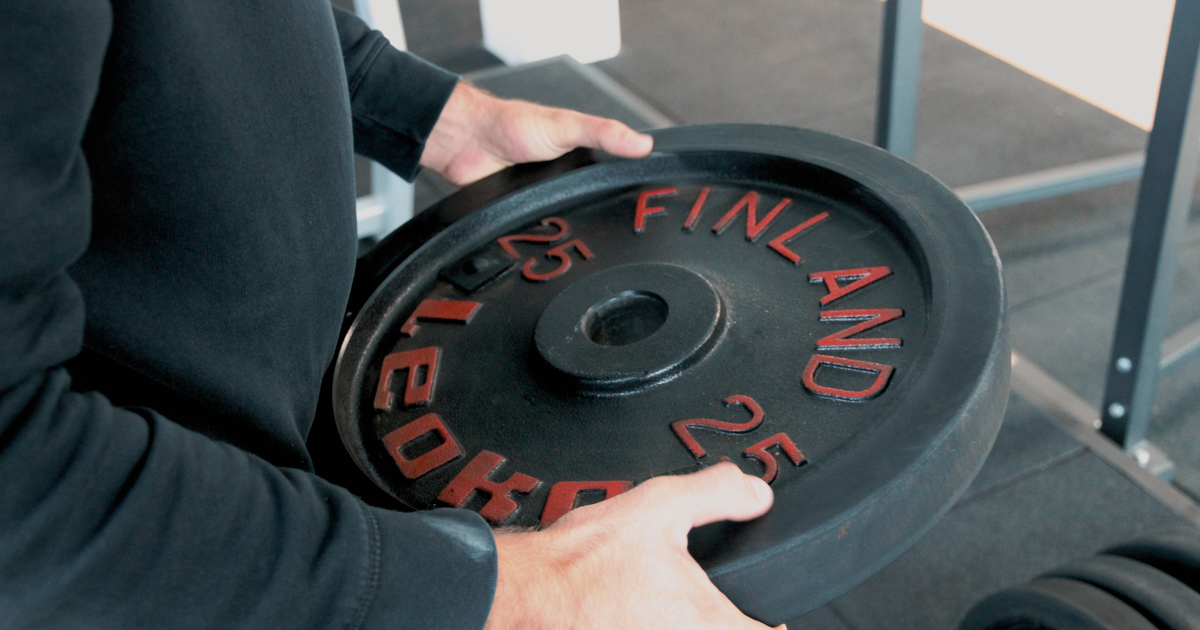
Upper-body lifts progress slower because they involve less muscle, so smaller plates keep the streak alive longer. If you only have 5-pound plates, microplates of 1.25 pounds are worth buying.
Keep sets and reps fixed
Hold everything else constant. If you are running 3 sets of 5, keep it at 3 sets of 5 and let only the weight move. That is what makes the progression clean and easy to read from sets and reps for beginners.
How long does linear progression last?
Usually a few months, until you can no longer recover fast enough to beat the previous session. Everyone stalls eventually, and the stall is a signal, not a failure.
The progressive overload research is clear that adding load and adding reps are both effective ways to keep growing, and that training close to failure matters. Linear progression simply front-loads the load method while it is still viable.
When the weight stops going up, you have three moves before abandoning the lift:
- Deload and re-approach. Drop back 10 percent and climb again, often past your old sticking point. See how a deload week works.
- Slow the jumps. Switch to microplates so the line keeps rising, just gently.
- Switch methods. Move to double progression, where you add reps first and weight second.
- Move to a program built for the stall. GZCLP keeps a linear jump on the main lift but adds back-off work underneath it, which is why it is a common next step after a novice progression runs out. Greyskull LP goes the other way and keeps the linear jump, building the reset into the program itself: the last set of each main lift is taken for as many reps as possible, and you cut 10 percent whenever it drops below five.
Linear progression vs other progression methods
Linear progression is the fastest to start but the first to stall; other methods trade early speed for longer runway. None is "best" in every situation; they suit different training ages.
| Method | Best for | How you progress | Runs out when |
|---|---|---|---|
| Linear progression | Beginners | Add fixed weight every session | You cannot recover session to session |
| Double progression | Intermediates | Add reps, then weight | Progress slows across weeks |
| Undulating | Advanced | Vary reps and load by day | Requires careful planning |
Start with linear progression because it is simple and it works. Graduate to the others only when your log tells you the straight line has flattened.
Where should you track a linear progression?
A linear progression is only as reliable as your record of it, so the tool you log in matters. You cannot add 5 pounds to last session if you cannot remember what last session was.
Here is how the common options compare:
| Physical notebook | Notes app | Traditional gym app | Gym Note Plus | |
|---|---|---|---|---|
| Logging speed | Fast | Fast | Slow, many taps | Fast, plain text |
| Data visualization | None | None | Charts | Automatic charts |
| Flexibility | Total | Total | Rigid fields | Total, free text |
| Searchability | Flip pages | Scroll and search | Per exercise | Instant, per exercise |
A notebook or notes app writes fast but reads slow, so spotting the exact session you stalled means scrolling. A rigid app charts it but makes logging a chore. The ideal keeps plain-text speed and still shows your rising line at a glance, which is how you catch a stall the moment it starts, one of the real reasons lifters stop making progress.
A simple linear progression starting plan
- Pick 3 to 5 main lifts and a starting weight you can lift with clean form for all your sets.
- Set your jump size: 5 to 10 pounds on lower-body lifts, 2.5 to 5 on upper-body lifts.
- Add that weight every session while keeping the same sets and reps.
- Log each working set the moment you rack it, as one line like "squat 135 3x5."
- When you miss reps two sessions in a row, deload 10 percent and climb again, or switch to double progression.
Follow this and you get months of automatic, no-guessing strength gains.
Keep logging the way you already do
If you already type sets into your phone's notes or write them in a notebook, you have the hard part done: you are recording. The missing piece is seeing whether your line is still rising or quietly flattening.
Gym Note Plus turns that plain text into a picture. You log the same fast way you already type "bench 155 3x5," and it charts each lift by exercise and date automatically. The rising line of a healthy linear progression is right there, and so is the flat spot that says it is time to deload.
Want to track strength without a risky max attempt? Feed your best set into the one rep max calculator, or paste old workouts into the free notes to workout translator to turn months of history into charts, no retyping.
- Log at notes-app speed. No menus, no set-by-set tapping.
- See the line. Automatic charts show your progression rising or stalling.
- Catch stalls early. Spot the flat spot before it turns into weeks of spinning your wheels.
Linear progression is not complicated. Add a little weight, keep the reps the same, write down every session, and let the straight line do the work until it will not anymore.
Frequently Asked Questions
What does linear progression mean in lifting?
Linear progression in lifting means adding a small, fixed amount of weight to an exercise every session while keeping the sets and reps the same. For example, a beginner might add 5 pounds to their squat each workout. Plotted on a graph, the weight rises in a straight line over time, which is where the name comes from. It is the simplest form of progressive overload.
How much weight should I add each session on linear progression?
Add the smallest sensible jump for each lift: roughly 5 to 10 pounds per session on big lower-body lifts like the squat and deadlift, and 2.5 to 5 pounds on upper-body lifts like the bench and overhead press. Upper-body lifts involve less muscle and progress slower, so smaller jumps, including 1.25-pound microplates, keep the progression going longer before you stall.
How long does linear progression last?
Linear progression typically lasts a few months for most beginners, until they can no longer recover enough between sessions to beat the previous workout. The exact length depends on training age, recovery, nutrition, and sleep. When you miss your target reps two sessions in a row, the progression has run its course, and it is time to deload or switch to a method like double progression.
What do I do when linear progression stalls?
When linear progression stalls, you have three main options before abandoning the lift. First, deload by dropping the weight around 10 percent and climbing back up, often past your old sticking point. Second, slow the jumps using lighter microplates. Third, switch to double progression, where you add reps within a range before adding weight. A stall is a normal signal to adjust, not a failure.
Is linear progression the same as progressive overload?
No, linear progression is one specific type of progressive overload, not the whole concept. Progressive overload is the broad principle of gradually increasing the demand on your muscles over time, which can be done by adding weight, reps, sets, or reducing rest. Linear progression is the simplest version: adding a fixed amount of weight every session. Beginners use it first because it captures their fast early gains.
Final Takeaways
- Linear progression means adding fixed weight every session while holding sets and reps constant.
- It works best for beginners because they recover fast and have the most room to grow.
- Match the jump to the lift: bigger on lower-body lifts, smaller on upper-body lifts.
- Expect it to last months, not forever. A stall is a signal to deload or change methods.
- Track every session, because a linear progression is only as good as your record of it.

Josh Ibbotson
Josh is the creator of Gym Note Plus, building tools that make workout tracking as simple as taking notes.
Ready to try it out?
Download Gym Note Plus and start tracking your workouts the way you want.
Download on App Store